Getting married in Barcelona: a practical guide
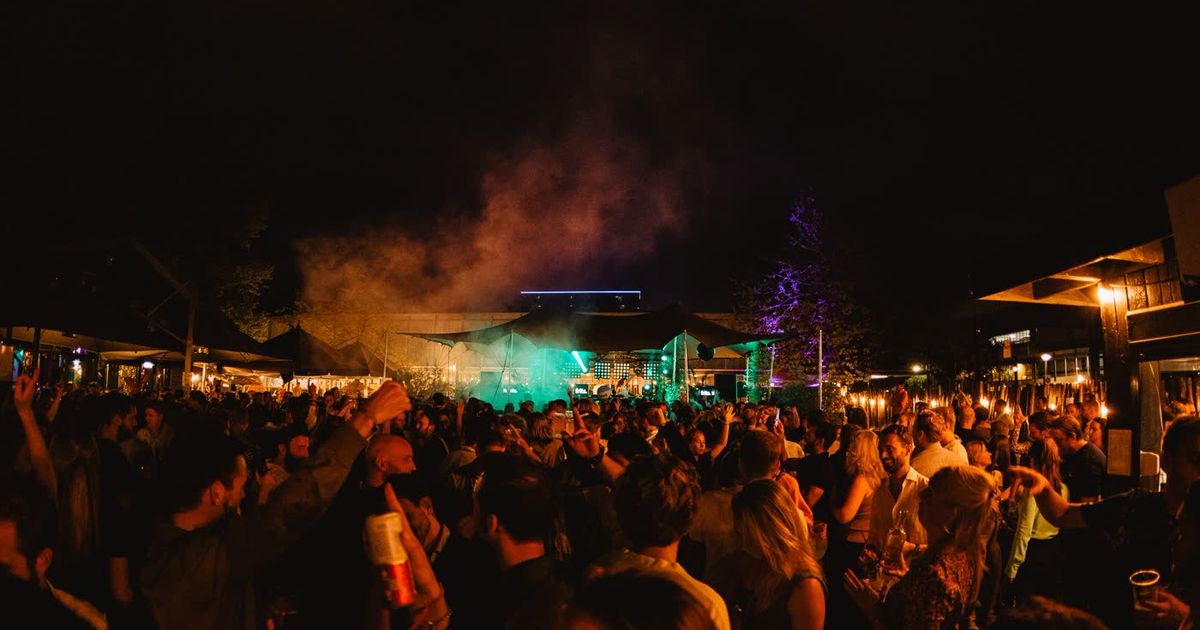
Barcelona has almost everything a wedding needs: sea, mountains, good food, warm evenings and a city your guests will want to explore. It also has its own rules, seasons and habits. This guide covers what we see couples run into most, from the paperwork to the dancefloor.
1. Decide: legal or symbolic ceremony
For a legal civil marriage in Spain, at least one partner generally needs to be a resident, and the process runs through the Spanish civil registry. It takes time and paperwork in Spanish.
Most international couples therefore marry legally at home, often in a small ceremony, and celebrate with a symbolic ceremony in Barcelona. A symbolic ceremony can take place anywhere you like, can be led by anyone you choose and can be in any language. For guests, it feels exactly like the real thing.
2. Pick your season
The most popular months are May, June, September and early October. The weather is warm and the evenings are long. July and August are hot, and part of the city goes on holiday in August, which can affect suppliers.
Also check the city calendar. Big trade fairs and festivals push up hotel prices, and local holidays such as Sant Joan in June and La Mercè in September change the atmosphere and the traffic.
3. Choose the type of venue
- Masia: a traditional Catalan farmhouse in the countryside, often with gardens and space for a long dinner and party
- Beach and coast: venues in or near Sitges, Castelldefels or the Maresme coast
- City: rooftops, hotels and restaurants with a view of Barcelona
- Wine country: estates in the Penedès, about an hour from the city
Ask every venue early about its music curfew and sound limits. Many venues have a sound limiter and a fixed time when outdoor music has to stop. That shapes your whole evening, so it is better to know before you sign.
4. Think about your guests
Your guests travel, so make it easy for them. Pick a venue with reasonable transport from the city or arrange shuttles. Plan a welcome drink the night before and something relaxed the day after. Share one clear page with dates, hotels and transport tips.
5. Plan the music like a timeline
Music sets the pace of the day: something light during the ceremony, background music for drinks and dinner, and then a dancefloor. Brief your DJ on your favourites, the songs you do not want and the moments that matter, such as the entrance and the first dance. A DJ who reads the room will do the rest.
6. A simple planning timeline
- 12 to 9 months before: date, budget, guest count, venue
- 9 to 6 months: photographer, catering, music, save the dates
- 6 to 3 months: invitations, transport, hotel blocks, ceremony content
- 3 to 1 month: run sheet, final numbers, supplier briefings
- Last week: walk-through at the venue and the final run sheet to every supplier